
Home

Cruciate Retaining (Ligament Preserving)

What is Cruciate-Retaining (Ligament-Preserving) Knee Replacement?

During a standard total knee replacement, both major internal ligaments—the Anterior Cruciate Ligament (ACL) and the Posterior Cruciate Ligament (PCL)—are often removed to make room for the artificial implant.

A Cruciate-Retaining (CR) total knee arthroplasty, however, is a specialized procedure where your surgeon carefully preserves your healthy Posterior Cruciate Ligament (PCL). The PCL is the crucial stabilizing ligament located at the back of your knee that prevents the shinbone from sliding too far backward beneath the thighbone.
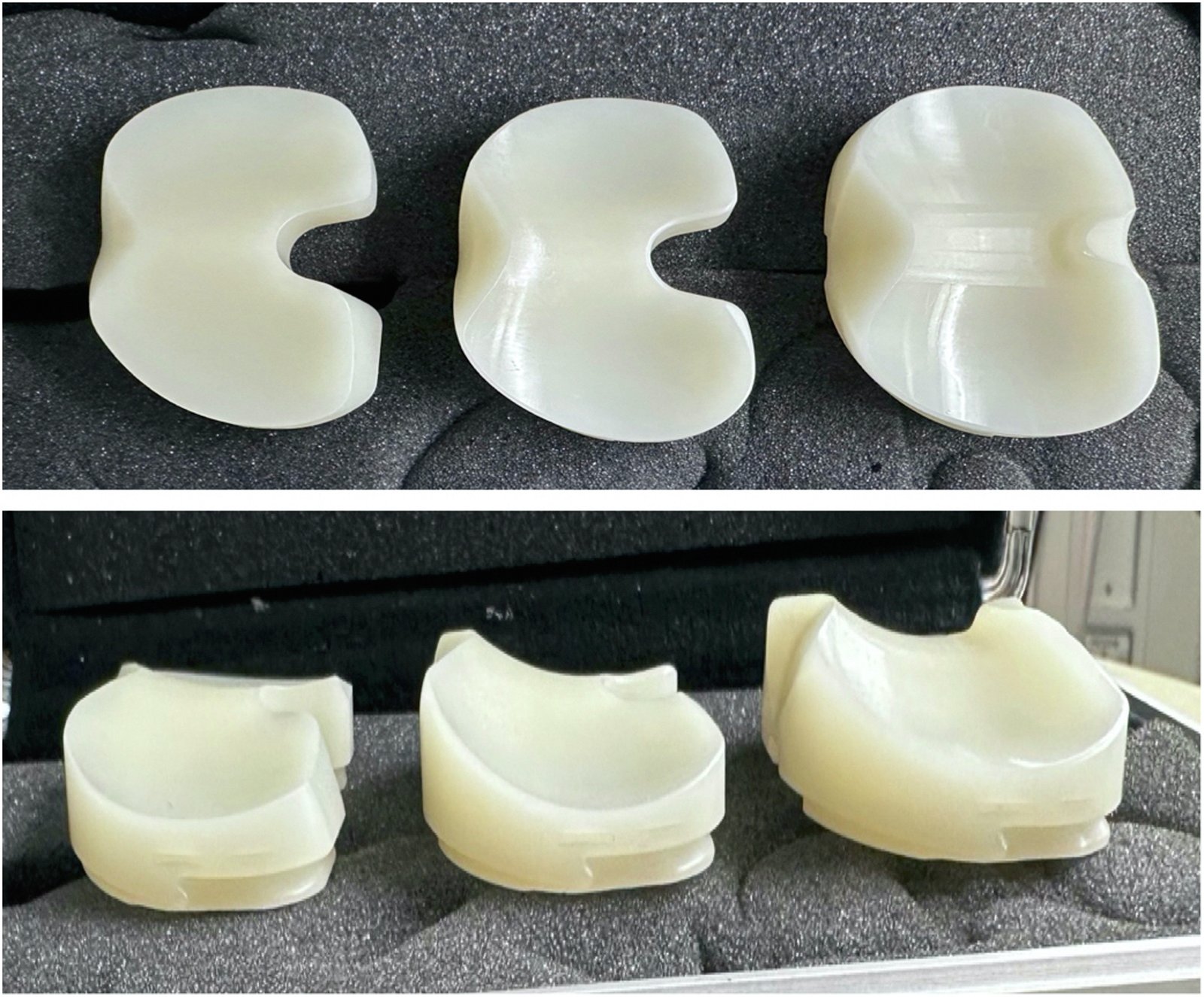
Who is the Ideal Candidate?

While CR knee replacement offers excellent outcomes, it is not suitable for every arthritic knee. You may be an ideal candidate for this ligament-preserving procedure if:

  • Your Posterior Cruciate Ligament (PCL) is healthy, strong, and intact.

  • You have minimal pre-existing knee deformity (severe bow-leggedness or knock-knees may require a different implant design).

  • Your bone quality is strong enough to support the implant fixation.

During your comprehensive orthopedic consultation, our surgical team will use advanced diagnostic imaging to evaluate the integrity of your ligaments and determine if a cruciate-retaining approach is safest for your anatomy.

Frequently Ask Questions

What is the difference between cruciate-retaining (CR) and posterior-stabilized (PS) knee replacements?

A cruciate-retaining (CR) surgery preserves your natural Posterior Cruciate Ligament (PCL) to stabilize the joint. A posterior-stabilized (PS) surgery removes the PCL and replaces its function with a mechanical polyethylene "post and cam" built directly into the artificial implant. Both are highly successful, but CR mimics natural knee biology more closely.

How long does recovery take after a cruciate-retaining knee replacement?

Most patients are able to stand and walk with assistance on the very same day of surgery. A return to independent daily activities typically takes 4 to 6 weeks, while complete recovery, tissue remodeling, and maximum strength return can take anywhere from 6 to 12 months of dedicated physical therapy.

Does a ligament-preserving knee implant last longer?

Both CR and PS knee implants boast exceptional longevity, with modern data showing over 90-95% of implants lasting 15 to 20 years or more. Because CR preserves more natural bone and relies on your own tissue for stability, it reduces specific mechanical wear-and-tear points on the artificial components.

Can a cruciate-retaining knee surgery be performed robotically?

Yes. We routinely utilize robotic-assisted surgical technology for cruciate-retaining procedures. Robotic mapping allows our surgeons to precisely balance your soft tissues and map out the exact placement of the CR implant, ensuring your preserved PCL retains the perfect amount of natural tension.