Home

Sub Vastus approach (Muscle preserving)

Subvastus Approach Knee Replacement: Muscle-Preserving Joint Care

If severe knee pain or osteoarthritis is holding you back from enjoying life, a total knee replacement can restore your mobility. However, many patients worry about the painful recovery and muscle weakness traditionally associated with standard knee surgery.

Thanks to advancements in minimally invasive orthopedics, you don’t have to sacrifice muscle integrity for pain relief. The Subvastus approach—often called muscle-preserving knee surgery—allows surgeons to replace your worn-out knee joint without cutting through your essential thigh muscles.
Benefits of Muscle-Preserving Knee Surgery

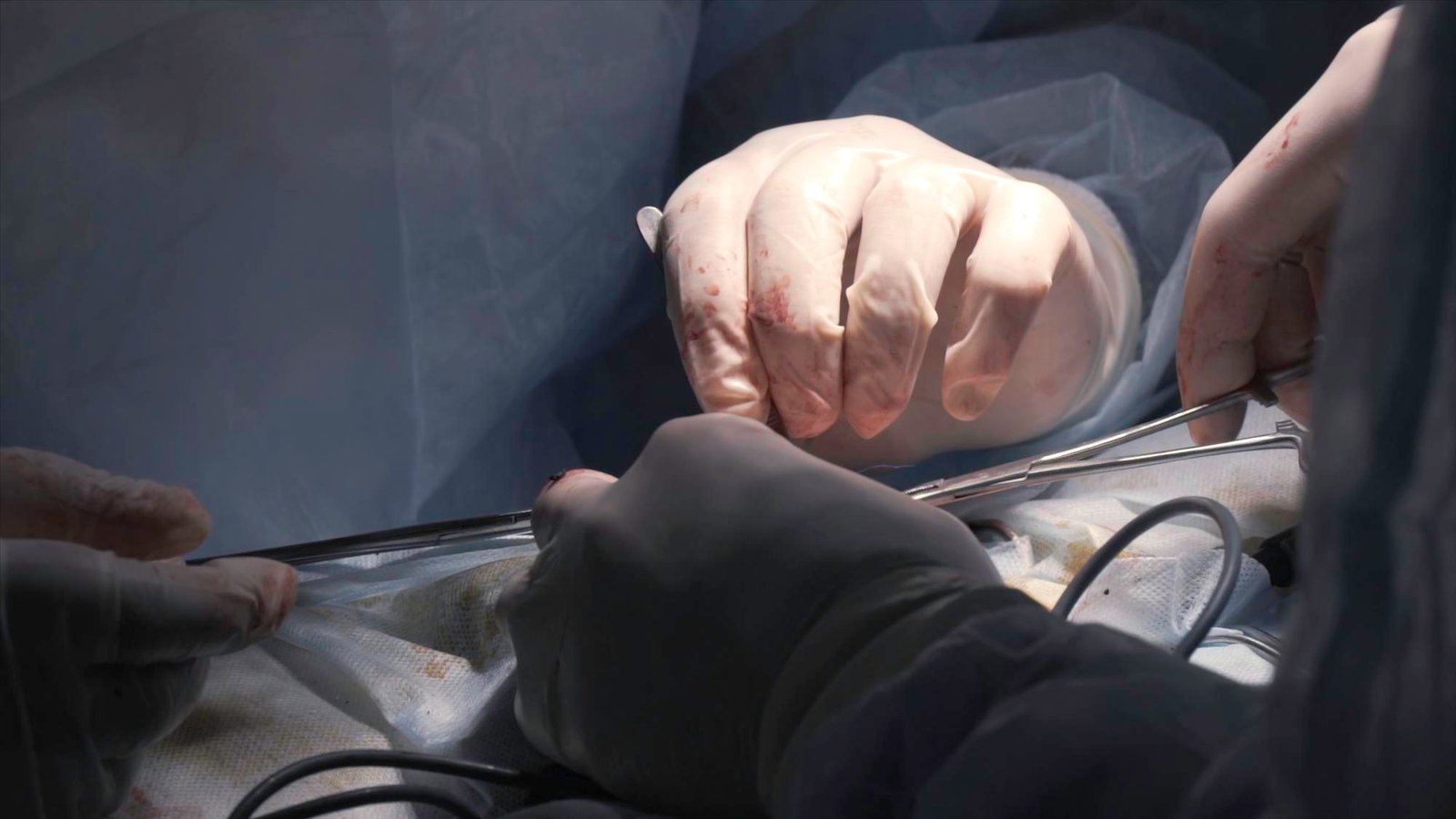
Because no muscle fibers or major tendons are severed during a Subvastus knee replacement, patients often experience a dramatically different recovery journey compared to standard techniques.

Key Clinical Advantages:

  • Faster Early Recovery: Because your thigh muscles do not need to heal from structural trauma, you can stand, walk, and initiate physical therapy much sooner.

  • Significantly Less Post-Operative Pain: Cutting through muscle tissue is one of the primary drivers of surgical pain. Avoiding this cut drastically reduces early post-op discomfort and lowers reliance on heavy pain medications.

Frequently Ask Questions

Is the Subvastus approach considered minimally invasive?

Yes. While the skin incision itself may look similar in length to a traditional knee replacement, it is classified as "soft-tissue minimally invasive." The true less-invasive nature of this surgery is what happens beneath the skin—sparing major muscles and tendons from structural damage.

Am I a good candidate for Subvastus knee replacement?

Most patients requiring a primary total knee replacement are excellent candidates for this approach. However, it may be technically challenging for individuals with severe joint deformities, high body mass index (BMI), or those undergoing revision knee surgery. A thorough evaluation with an orthopedic specialist will determine the ideal approach for your unique anatomy.

What does the recovery timeline look like?

While individual recovery rates vary, many Subvastus patients are able to walk with assistive devices (like a walker or cane) on the exact same day of surgery. Most return to light daily activities within 2 to 4 weeks, which is often weeks ahead of traditional surgery timelines. Full long-term healing still takes a few months as your bone bonds to the new implant.

Does this technique use different knee implants?

No. The Subvastus approach uses the exact same high-quality, durable knee replacement implants as traditional surgery. The only difference is the surgical pathway used to place them, ensuring your long-term implant lifespan remains completely uncompromised.