Home
Robotic-Assisted Partial Knee Arthroplasty
Robotic-Assisted Partial Knee Arthroplasty for Targeted Knee Pain Relief
Robotic-Assisted Partial Knee Arthroplasty is an advanced knee replacement procedure designed to treat damage limited to a single compartment of the knee. At Roboknee, robotic precision ensures accurate implant placement, preservation of healthy tissue, and improved joint function for long-lasting pain relief.
Preserving Natural Knee Movement with Robotic Precision
Unlike total knee replacement, Robotic-Assisted Partial Knee Arthroplasty replaces only the affected portion of the knee. Using robotic guidance, Roboknee delivers personalized alignment and precise correction, helping patients maintain a more natural-feeling knee.
How Robotic-Assisted Partial Knee Arthroplasty Works
Partial knee arthroplasty is recommended when arthritis or joint damage affects only one side of the knee—inner, outer, or patellofemoral compartment. Traditional methods may lack precision, increasing the risk of uneven alignment or early wear.
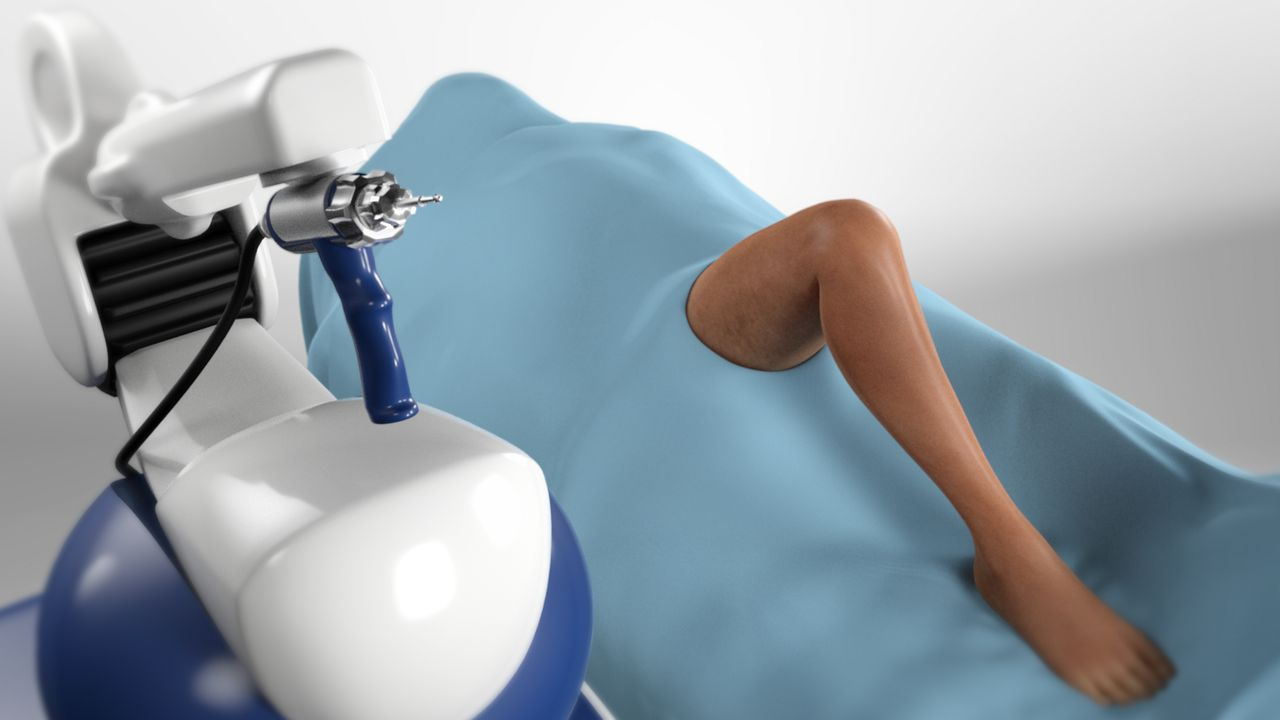
At Roboknee, Robotic-Assisted Partial Knee Arthroplasty uses advanced robotic systems to create a detailed map of the knee joint. This allows accurate bone preparation and precise placement of the implant within pre-defined boundaries. By preserving healthy ligaments and bone, this approach improves joint balance, enhances mobility, and often supports faster recovery compared to conventional techniques.